HSBC Student Job Group Contact Recruitment CIFAS Marker Removal
Student job group contact recruitment, Misuse of Facility marker filed by HSBC. Removed in 4 weeks.
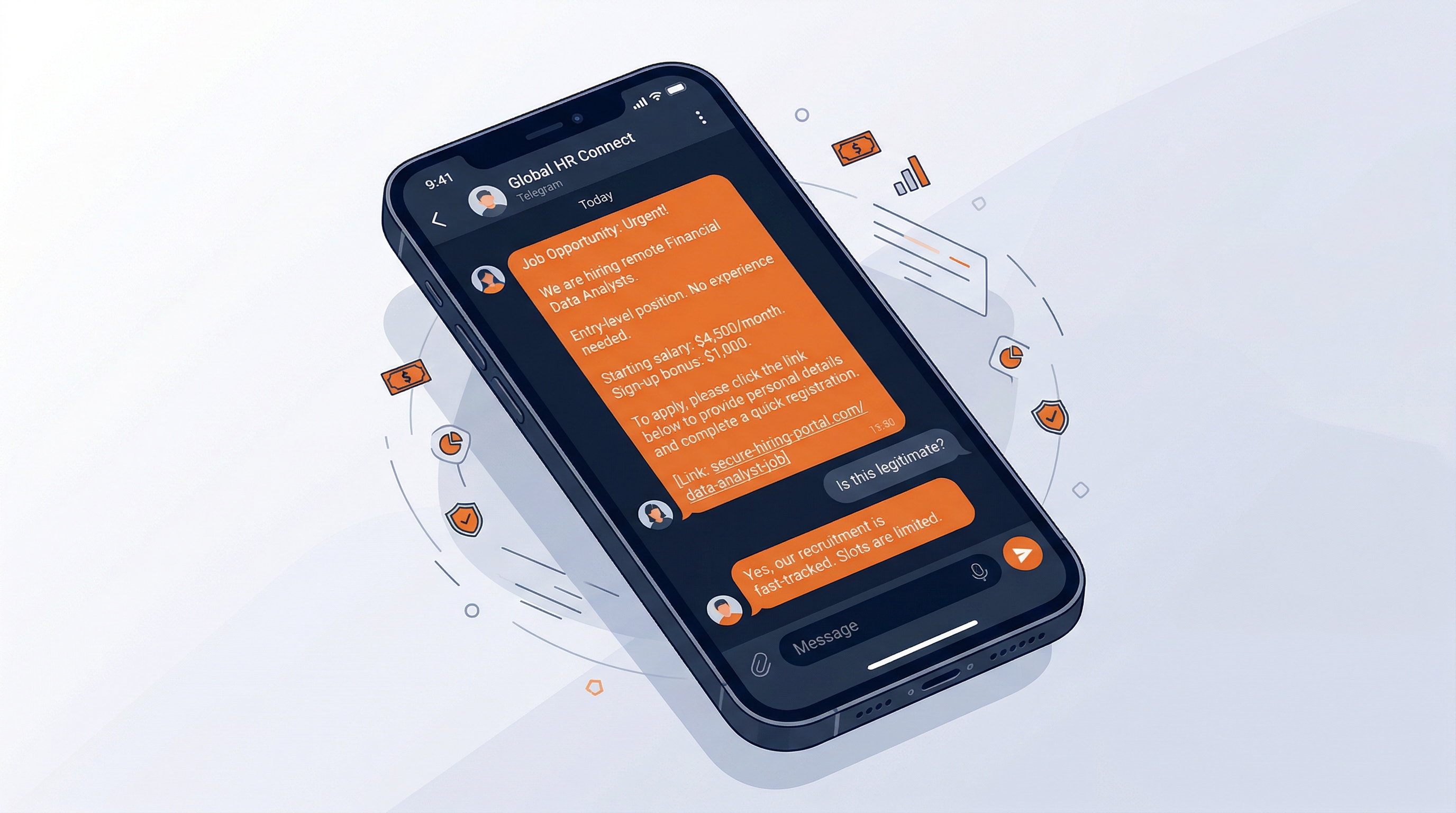
How HSBC files CIFAS markers for student job recruitment scams
Our client was a student who was recruited through what appeared to be a trusted university jobs group or student network. The offer promised paid work and involved receiving and forwarding payments through an HSBC account, which made it look like an informal but plausible student side job.
By the time HSBC detected the activity, the bank was looking at a payment pattern associated with money mule recruitment. But the case turned on whether the student had knowingly taken part in fraud or had instead been targeted through a trusted community channel while under financial pressure and in need of work.
What the CIFAS report showed about this HSBC marker
The report confirmed a Misuse of Facility marker filed by HSBC and reflected a regular payment fraud pattern. It recorded the suspicious account activity, but it did not appear to grapple with the recruitment setting or the student's vulnerability in the way the complaint later had to.
That matters because the difference between a willing participant and a recruited target is not a minor detail. It goes to the heart of whether the bank can justify a fraud marker at all. Without evidence of dishonest intent, the filing risks saying more than the facts can support.
How we challenged this HSBC student recruitment CIFAS marker
The complaint set out the recruitment route, the pressure the student was under, and the reasons the opportunity looked credible in a student setting. It explained how trusted channels can be used to normalise suspicious activity and why the customer's age and circumstances were relevant to understanding the case properly.
That let the challenge press HSBC on proof and proportionality. The bank was asked what evidence it had that the student knowingly agreed to facilitate fraud, rather than simply becoming entangled in a scheme aimed at young people looking for work.
How this HSBC student recruitment CIFAS marker was removed
HSBC removed the marker within four weeks after reviewing the complaint and the vulnerability context. Once the recruitment route and financial pressure were properly set out, the file appears to have looked far less like deliberate misuse and far more like exploitation.
The broader lesson is that student recruitment scams often hide behind familiar channels and ordinary-looking work offers. A bank may see the payment pattern first, but a proper challenge can force attention back onto how the person was drawn into it.
Start your student recruitment CIFAS marker removal
If a university jobs group, student chat, or trusted contact led you into a payment-forwarding arrangement and a CIFAS marker followed, keep the recruitment messages, group screenshots, and timeline showing how the work was presented.
Start marker removal and we will help you test whether the bank has evidence of knowing participation, or whether a student-targeted recruitment scam has been treated as if it proved dishonesty from the start.
Specialist CIFAS marker removal firm
Your case is different. Our strategy is designed to reflect that.
Professionally drafted complaint documents built around your specific marker, issuer, and evidence. Not a template letter. A four-stage strategy that escalates until the marker is addressed.
More CIFAS marker removal cases
HSBC Snapchat Crypto Scam CIFAS Marker Removal
Snapchat cryptocurrency scam
HSBC Retaining Wrongful Credit CIFAS Marker Removal
Retaining wrongful credit dispute
HSBC Student Address Verification Dispute CIFAS Marker Removal
Student address verification dispute
Revolut Telegram Job Scam CIFAS Marker Removal
Telegram job scam